Drug Discovery & Development

Pharma companies spend 10–12 years and billions of dollars to bring a new drug to market. Delays in molecule identification, trial design, and patient recruitment drive up costs and risks. Our AI/Data-driven approach helps accelerate drug development and reduce failure rates.


Outcomes:

  • Deep learning models predict molecule activity, toxicity, and success probability.
  • Knowledge graphs connect genomic, chemical, and clinical data to identify new drug-target relationships.
  • Digital twin simulations optimize clinical trial protocols before real-world execution.
  • Data pipelines unify research data across silos for faster analysis.

Outcomes:

  • 20–30% reduction in R&D timelines
  • $150M–$200M cost savings in early discovery phases
  • 25% fewer manual research hours for scientists and trial teams


// We Carry more Than Just Good Coding Skills

Let's Build Your Software!

Regulatory & Compliance Automation

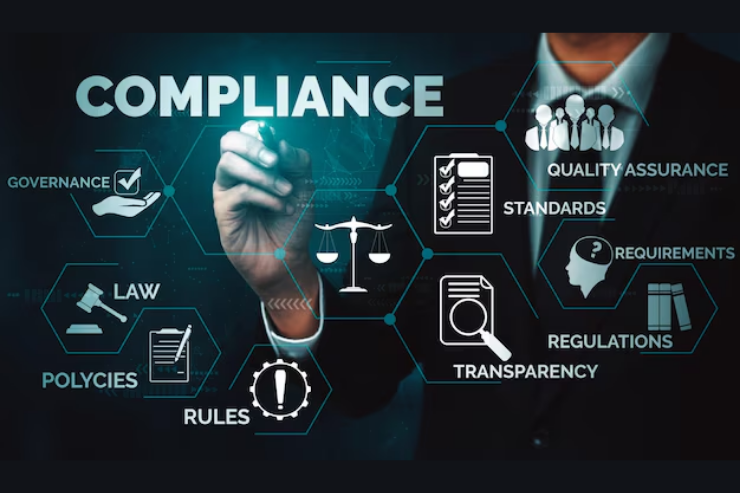
Challenge: Regulatory submissions are documentation-heavy, error-prone, and slow. Compliance monitoring is often reactive, exposing companies to risk.


AI/Data Approach:

  • Natural Language Processing (NLP) automates the creation of FDA/EMA-ready submissions.
  • Document intelligence scans regulations, maps them to internal data, and flags gaps.
  • Real-time compliance dashboards detect deviations proactively.

Outcomes:

  • 40–60% lower documentation costs
  • 25% faster submission cycles
  • Up to 50% reduction in compliance team workload

Pharmacovigilance & Safety Monitoring

Challenge: Adverse event (AE) detection is slow, inconsistent, and resource-intensive, especially across multiple markets.


AI/Data Approach:

  • NLP scans clinical notes, EHRs, patient forums, and social media for early safety signals.
  • Machine learning automates case triage and prioritization.
  • Predictive safety analytics highlight emerging risk patterns before escalation.

Outcomes:

  • 30% lower pharmacovigilance operational costs
  • 20–25% faster adverse event reporting
  • 35% fewer manual hours spent on AE monitoring and reporting

Manufacturing & Quality Control

Challenge: Unplanned downtime, suboptimal batch yields, and manual quality checks increase costs and reduce efficiency.


AI/Data Approach:

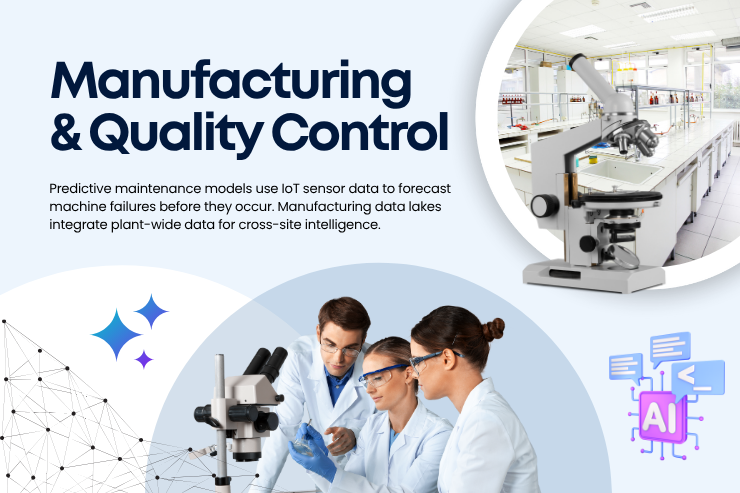
  • Predictive maintenance models use IoT sensor data to forecast machine failures before they occur.
  • Computer vision inspects products in real-time, detecting defects faster than human checks.
  • Reinforcement learning optimizes batch process parameters for maximum yield.
  • Manufacturing data lakes integrate plant-wide data for cross-site intelligence.

Outcomes:

  • 15–20% improvement in Overall Equipment Effectiveness (OEE)
  • 10–15% increase in batch yield
  • $10M+ annual savings from reduced downtime and rework
  • 40% reduction in manual quality control efforts


// We Carry more Than Just Good Coding Skills

Let's Build Your Software!

Supply Chain Optimization

Challenge: Pharma and manufacturing supply chains suffer from demand volatility, disruptions, and excess inventory.


AI/Data Approach:

  • Machine learning models forecast demand using sales, seasonal, and external factors.
  • AI-driven logistics optimization dynamically adjusts routes and shipments.
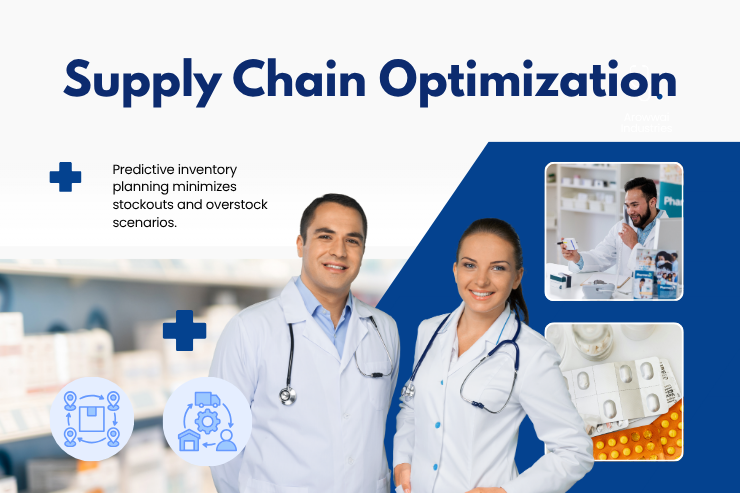
  • Predictive inventory planning minimizes stockouts and overstock scenarios.
  • Risk-sensing AI alerts supply teams to geopolitical, environmental, or vendor risks.

Outcomes:

  • 20–30% reduction in inventory costs
  • 10–15% improvement in on-time delivery rates
  • 25% less manual effort in supply chain planning and monitoring

HCP Engagement & Insights

Challenge: Generic engagement strategies reduce physician responsiveness, while sales teams struggle to prioritize the right HCPs.


AI/Data Approach:

  • AI-driven segmentation clusters HCPs based on specialty, prescribing behavior, and digital footprint.
  • Recommendation engines personalize educational and promotional content for each HCP.
  • Predictive call planning helps sales reps target the right doctors at the right time.
  • Omnichannel analytics integrates CRM, event, and digital engagement data into one view.

Outcomes:

  • 25–30% higher HCP engagement rates
  • Increased adoption of therapies through targeted education
  • 20% reduction in wasted marketing spend
  • Higher salesforce productivity and morale


// We Carry more Than Just Good Coding Skills

Let's Build Your Software!

Commercial & Market Insights

Challenge: Go-to-market (GTM) strategies are often reactive; competitive intelligence is fragmented; sales forecasts are unreliable.


AI/Data Approach:

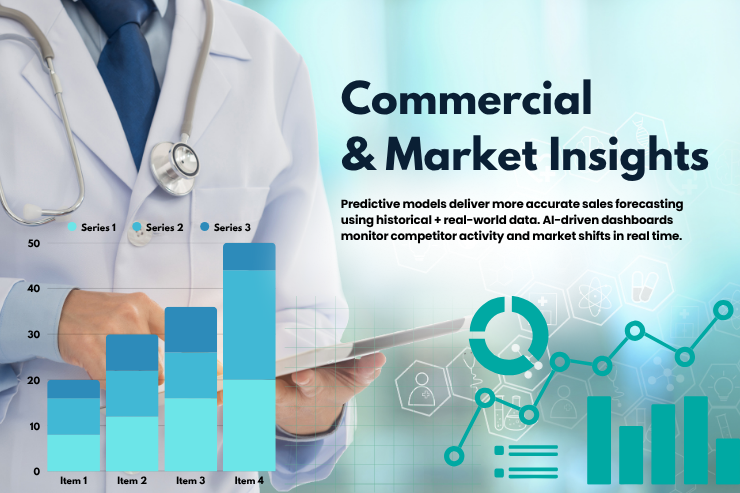
  • Predictive models deliver more accurate sales forecasting using historical + real-world data.
  • AI-driven dashboards monitor competitor activity and market shifts in real time.
  • Patient journey analytics map care pathways for better GTM targeting.
  • Dynamic pricing models optimize launch pricing and market expansion strategies.

Outcomes:

  • 20% more accurate sales forecasts
  • 15% faster market entry decisions
  • 30% fewer manual hours spent on competitive analysis and market modeling